
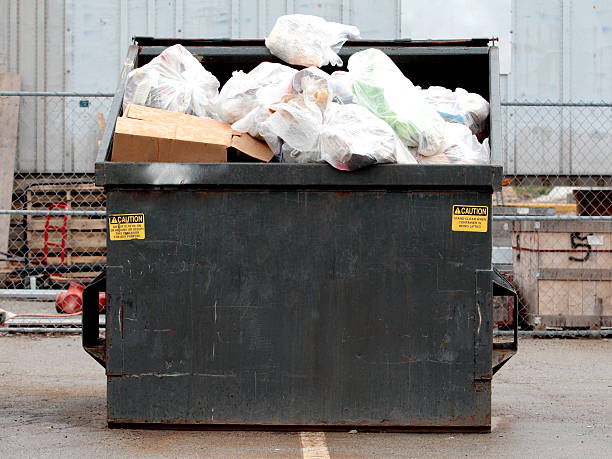
When a dumpster overflows, residents in a community notice. People start to complain, maintenance teams have to clean up, and community managers wonder if they should add another pickup. When waste piles up, it often seems logical to increase service.
But think about what’s happening at other communities in the same portfolio. One site always has overflow, while another has dumpsters that are only half full when picked up. A third gets five pickups a week, even though its waste volume has dropped over the past year.
On their own, each community might seem to have a unique waste problem. But looking at them together could show a bigger chance to improve how hauling services are set up across the whole portfolio.
This idea is what waste service right-sizing is all about. It means checking if the containers, pickup schedules, and costs across your portfolio actually match the amount of waste being produced. For operators with many communities, understanding this can reveal hidden expenses that have slipped into the budget.
Why More Pickups Aren’t Always the Answer
If a dumpster keeps overflowing, the first reaction is usually to schedule more pickups or add another container. Sometimes, that’s the right move. A growing community may truly need more collection, especially if more people have moved in or waste habits have changed.
The problem comes when adding more service becomes the go-to solution, without looking at the bigger picture.
Waste hauling contracts are usually set up based on the situation at the time they’re signed. But over time, things change—occupancy goes up or down, residents’ habits shift, recycling rates change, and new waste services might be added. Still, the original container sizes and pickup schedules often stay the same.
This can lead to service levels that no longer match what’s really needed.
A community with overflow might not have enough capacity, but it could also be dealing with bulky items taking up space, uneven waste distribution, or containers that aren’t used fully. At the same time, another community might keep paying for frequent pickups even though its containers are rarely full.
The key question for portfolio leaders is whether the hauling program still matches how waste is handled in their communities today.
The Cost of Too Much and Too Little Service
Waste service costs can go up whether you have too much or too little service.
When communities don’t have enough capacity, the problems are easy to spot. Containers overflow, extra pickups are needed, and overage charges show up on invoices. Maintenance teams also spend more time dealing with waste issues instead of their usual work.
Too much capacity is harder to notice because it usually doesn’t cause obvious problems.
A dumpster that’s picked up while only half full might seem like a sign of efficiency. But if the community is paying for more pickups or bigger containers than needed, that empty space is costing money.
Imagine this scenario: you have a portfolio with 40 communities. Each community has hauling contracts set up at different times. Some have grown a lot, others have improved recycling or bulk waste management, and a few have added valet trash services that changed how waste is collected.
If hauling schedules haven’t been updated to match these changes, the portfolio might be paying for extra capacity in some places and extra charges in others.
Neither case means the original hauling contract was wrong. Service needs change over time, and what worked years ago might not fit today’s needs.
What Cost Per Door Can Tell You
A good place to start when reviewing waste service across a multifamily portfolio is to look at the cost per door.
Divide a community’s total waste costs by the number of units to get a common measure. This makes it easier to spot communities with higher or lower costs compared to similar ones.
For example, two communities with similar unit counts, occupancy, and waste needs might have very different monthly hauling bills. It’s worth looking into, especially if one often pays extra fees or gets more pickups.
Cost per door isn’t a perfect method. Communities vary in layout, local hauling rates, disposal rules, resident types, and recycling options. For example, a high-rise in a city will have different needs than a garden-style community in the suburbs.
These differences are important.
The benefit of looking at cost per door is that it helps operators ask better questions. When you combine that with service frequency, container size, and past invoices, it can show where a closer look might be needed.
What Happens Between Pickups Matters
Invoices show how much a community pays for hauling, but they don’t always show if the service matches what’s actually needed.
To know that, you need to see what’s happening at the dumpsters themselves. Consider these questions:
- Just how full are the dumpsters when the hauler arrives?
- Are the dumpsters always overflowing, or is there a lot of empty space?
- Does waste pile up more on certain days?
- Are bulky items taking up space that is actually meant for regular trash?
These details give context that invoices alone can’t provide.
One community might really need five pickups a week. Another with the same schedule might have dumpsters that are only half full on some days. Without checking actual waste and pickup patterns, both setups can look fine on paper.
Right-sizing at the portfolio level means combining these observations with financial data to see how service is spread across all communities.
The goal is to find where changes make sense, while still keeping the reliable service that residents and staff count on.
Finding the Pattern Across the Portfolio
For regional managers and owners, the problem usually isn’t a lack of information. It’s that the information is scattered across invoices, communities, markets, and contracts.
A good waste service review pulls all these details into one place. Then you can look at total hauling costs, cost per door, container size, pickup frequency, recurring fees, and actual waste volumes together.
This is where looking at the whole portfolio really pays off.
A community with frequent overages might need more capacity, better container management, or changes to how bulk items are removed. Another might be able to cut back on pickups without hurting service. Making these changes across a large portfolio can help control costs while keeping operations steady.
WasteOps, Ally Waste’s invoice-auditing tool, helps with the financial side by reviewing past hauling costs and spotting differences that should be checked out.
But numbers are only part of the story. To understand why a community has certain costs, you need to connect invoice data with what’s happening onsite.
This difference matters when deciding if a service change is the right move.
Turning Better Information Into Improved Operations
Spotting mismatched service levels is helpful, but the real savings come from what you do after the analysis.
Cutting back on pickups at a community with extra capacity might mean changing its hauling contract. Preventing overages elsewhere could mean leveling and arranging containers, removing bulky items before they take up space, or improving how different types of waste are sorted and handled.
These changes require operational follow-through.
A report might show that a community has more hauling capacity than needed, but someone still has to check the situation, coordinate changes, and make sure the new setup actually works.
That’s why good right-sizing needs both financial analysis and hands-on waste management. The data shows where changes might help, but the work onsite makes those changes last.
Make Every Service Dollar Count
At the end of the day, right-sizing waste service starts by asking a very simple question: Are we paying for the amount of hauling our portfolio really needs?
Answering it requires more than checking whether individual dumpsters are full. It means understanding how waste volume, collection frequency, container capacity, and service costs compare across communities, then determining where adjustments can be made without creating new operational problems.
For multifamily operators working on annual budgets, this is a chance to review an expense that might not have changed in years. Some communities will need more service, others less. The savings come from knowing these differences and making smart decisions across the portfolio.
If you’d like to see where your portfolio’s hauling expenses may warrant a closer look, get your free waste spend audit.