
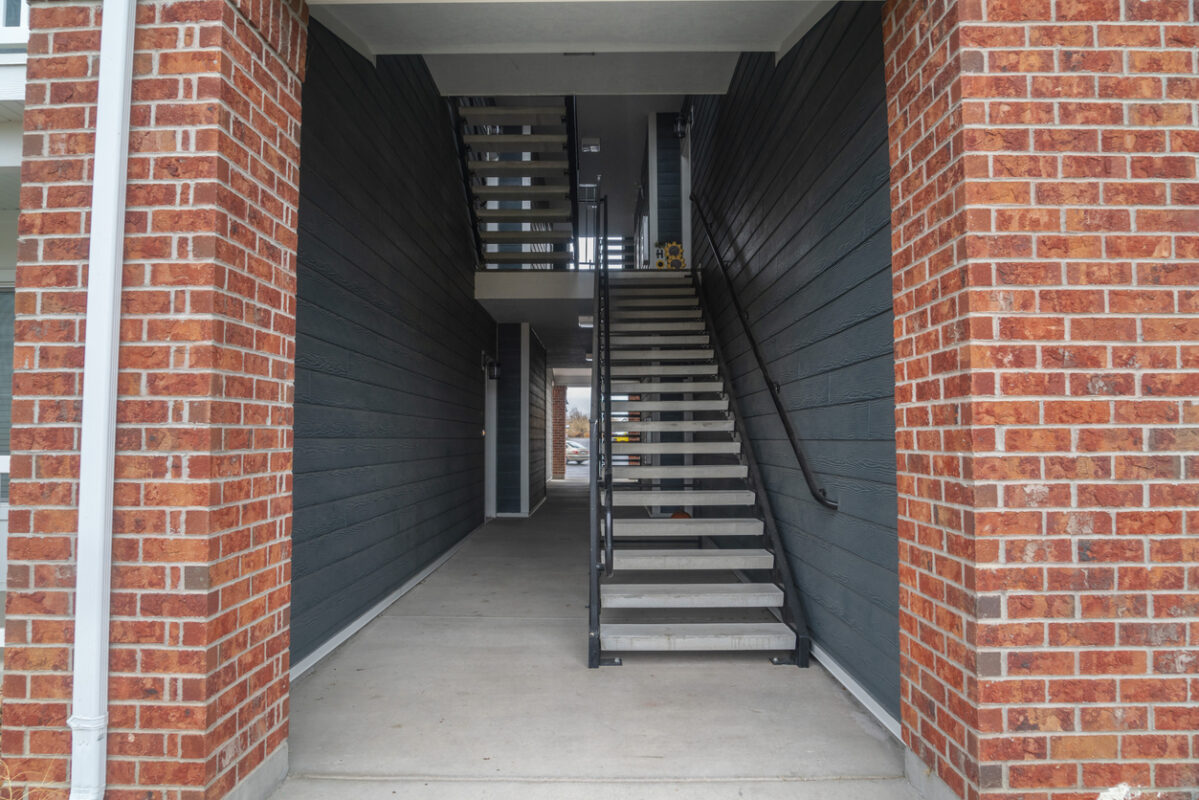
High-traffic areas are the heartbeat of any multifamily community. Breezeways, stairwells, parking structures, dumpster enclosures, and shared corridors see constant foot traffic from residents, guests, staff, and vendors. These spaces shape first impressions—and they also carry the highest exposure to safety incidents.
What often goes unnoticed is how closely waste management is tied to liability. Overflowing trash, bulk items left in walkways, leaking bags, and cluttered disposal areas don’t just look bad. They create real, documented risks that can lead to injuries, insurance claims, and legal headaches.
Most communities don’t intend for waste to become a safety issue. It happens gradually, especially when systems are stretched or managed reactively rather than proactively.
The Real Liability Risks Lurking in Waste Areas
Waste-related hazards show up in predictable ways:
- Slip-and-fall incidents from leaking trash bags or food waste
- Trip hazards from bulk items left near dumpsters or in breezeways
- Fire risk from improper storage of mattresses, furniture, or cardboard
- Pest-related issues that escalate into health complaints
- Blocked access routes that violate safety codes or fire regulations
All of these scenarios are more likely in areas with heavy daily foot traffic. And once an incident occurs, the question is no longer “How did this happen?” Instead, it’s “Why wasn’t this prevented?”
High Traffic Magnifies Small Failures
In quieter areas, a missed cleanup might go unnoticed for a day or two. In busy corridors or common areas, even a few hours of clutter can become a problem.
High-traffic environments amplify:
- The number of people exposed to a hazard
- The likelihood of accidents
- The speed at which small issues become major complaints
- The visibility of operational gaps
This is why waste systems can’t be based on “we’ll get to it when we can.” They need to be designed for consistency, volume, and predictability.
The Hidden Cost of Reactive Cleanup
Many communities rely on maintenance teams to respond to waste issues as they arise. While this seems practical, it creates a reactive cycle:
- Overflow happens
- A complaint comes in
- Staff is pulled from other work
- The issue gets fixed—temporarily
- The cycle repeats
This approach increases exposure in two ways. First, hazards exist longer before being addressed. Second, documentation often becomes inconsistent, making it harder to prove diligence if an incident turns into a claim.
Reactive systems don’t just strain teams—they leave gaps in protection.
Better Systems Reduce Risk by Design
Communities that invest in structured, comprehensive waste services shift from reaction to prevention.
When valet trash, bulk removal, trash-outs, and routine monitoring work together, several things happen:
- Waste is removed before it becomes an overflow
- Bulk items are handled before they become obstacles
- Common areas stay clearer, longer
- Problem patterns are identified early
- Safety risks decrease without constant firefighting
This isn’t about doing more work. It’s about building a system that keeps issues from forming in the first place.
Why Bundled Waste Services Matter
Valet trash alone improves convenience and consistency. But when combined with bulk item management, trash-out services, and scheduled monitoring, the impact becomes operational.
A comprehensive approach:
- Reduces the chance of large items sitting in walkways
- Prevents enclosure areas from becoming clutter zones
- Keeps disposal areas compliant with safety expectations
- Creates predictable service rhythms that teams can rely on
Instead of waste being everyone’s problem, it becomes a managed function.
Liability Is About Patterns, Not Accidents
From a risk perspective, most claims don’t come from one-off freak incidents. They come from patterns:
- Repeated overflow in the same areas
- Ongoing clutter near disposal zones
- Documented complaints without permanent fixes
- Known trouble spots that never fully stabilize
Better waste systems break these patterns.
They replace uncertainty with structure. And structure is what protects communities when questions are asked later.
Cleaner Communities Are Safer Communities
There’s also a psychological component. When shared spaces look clean and organized:
- Residents are more likely to use them properly
- Guests move through them more carefully
- Staff notices issues faster
- Everyone treats the environment with more respect
Disorder invites disorder. Cleanliness creates accountability.
A Smarter Risk Strategy
Risk management isn’t only about cameras, lighting, and signage. It’s also about operational systems that quietly remove hazards before they become incidents.
Waste management is one of the most underestimated components of that equation.
Communities that treat it as infrastructure—not an afterthought—consistently see fewer issues, fewer complaints, and fewer emergencies.
The Takeaway
High-traffic areas will always carry higher exposure. But the systems behind them determine whether that exposure stays controlled or turns into costly problems.
Better waste systems don’t just improve appearance. They reduce liability, protect teams, and make communities easier to operate—day after day.
Of course, we’d love to talk with you more about this subject. Reach out to the Ally Waste team anytime.