
In multifamily communities, perception matters. Residents form opinions about how well a community is managed based on dozens of small signals they encounter every day, such as hallway lighting, landscaping, maintenance response times, and the cleanliness of shared spaces.
One of the most overlooked signals is also one of the most visible: the waste area.
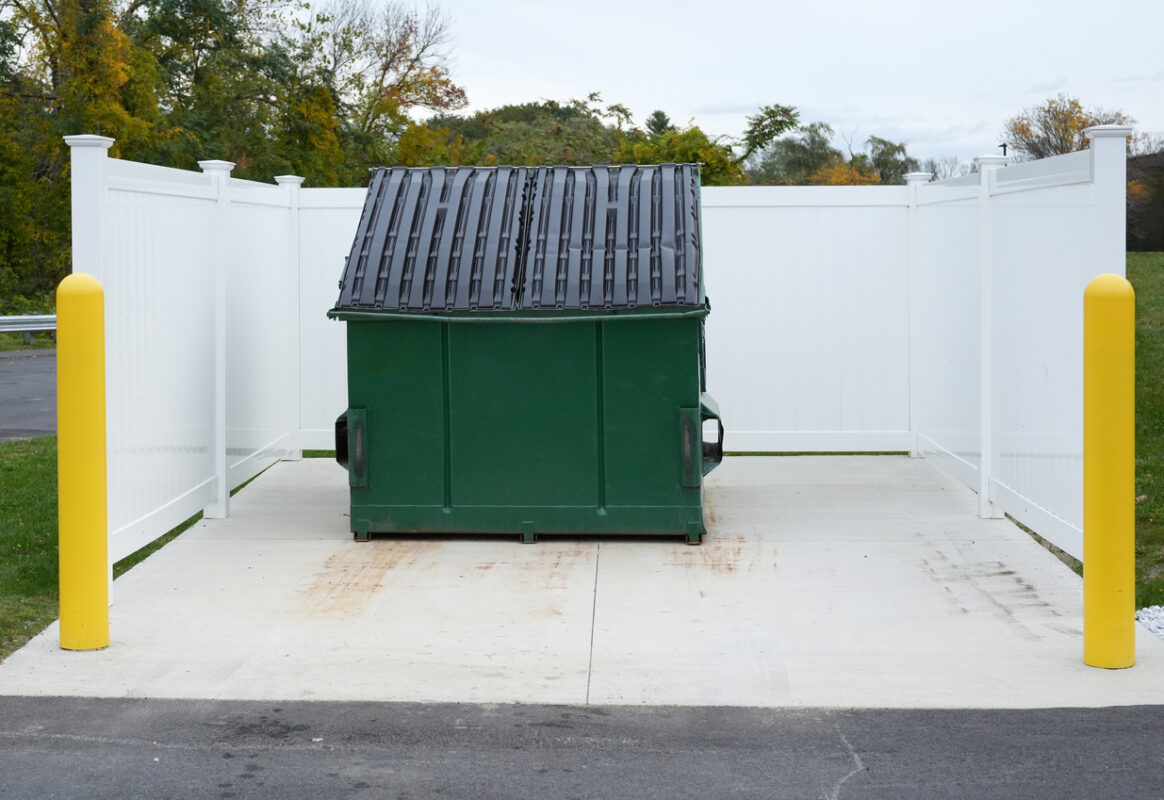
Dumpster enclosures, trash rooms, and bulk disposal areas may not be amenities, but they shape resident expectations more than many operators realize. When these areas are clean, organized, and consistently maintained, they reinforce the sense that the community is well-managed. When they are cluttered or inconsistent, they can quickly undermine that perception.
Understanding the psychology behind these spaces helps explain why waste support plays such an important role in overall community performance.
Cleanliness Signals Strong Management
Residents rarely analyze waste systems in detail. Instead, they rely on quick visual cues.
A well-maintained trash area communicates several things immediately:
- Management pays attention to details
- Systems are in place and functioning
- Shared spaces are respected and monitored
- The community is run with consistency and care
These signals create confidence. Residents are more likely to believe their concerns will be addressed and that the community is operating smoothly.
The opposite is also true. Overflowing dumpsters, scattered furniture, or visible trash bags in common areas create doubt. Even if the rest of the community is maintained well, waste issues can suggest that operations are stretched thin.
Disorder Creates More Disorder
There is a well-known behavioral principle sometimes referred to as the “broken windows effect.” When residents see an area that appears neglected, they are more likely to contribute to the problem.
In waste areas, this often shows up as:
- Bulk items left outside designated zones
- Bags placed beside dumpsters rather than inside
- Cardboard boxes left unbroken
- Improper disposal of large items
Once clutter begins to accumulate, it tends to attract more of the same behavior. Residents assume the area is already unmanaged and treat it accordingly.
Clean, well-maintained spaces encourage the opposite behavior. When waste areas are orderly and regularly serviced, residents are more likely to follow established guidelines.
First Impressions Happen in Unexpected Places
For prospective residents touring a community, waste areas are rarely the focus of a tour, but they are noticed.
During walkthroughs, prospects often pass dumpster enclosures, breezeways, or trash rooms. These quick moments shape impressions about how the community operates behind the scenes.
Clean, organized disposal areas suggest that the community is well-maintained overall. Messy or inconsistent waste areas can raise concerns about maintenance standards and operational oversight.
For multifamily operators, these impressions matter. They influence leasing decisions and contribute to how the community’s brand is perceived in the market.
A Real-World Example: When Waste Systems Improve Resident Sentiment
The connection between waste management and resident perception became clear for one large owner group within the National Multifamily Housing Council (NMHC).
Across more than 20 communities in Florida, persistent bulk trash dumping had become a recurring challenge. Residents frequently left furniture and oversized items near disposal areas, creating clutter that maintenance teams struggled to manage consistently.
As one leader within the ownership group explained, the problem had become visible enough that “people driving by would see accumulating bulk trash.”
The issue affected more than appearance. Resident survey data and Net Promoter Score (NPS) feedback repeatedly highlighted trash concerns, suggesting that waste management influenced residents’ perceptions of the community’s overall operations.
After partnering with Ally Waste to implement consistent bulk removal across these communities, the impact was immediate. Scheduled biweekly pickups prevented bulk items from accumulating and discouraged ongoing dumping.
Maintenance teams reported smoother operations, and resident survey results showed a decrease in trash-related complaints.
You can read the full details in our case study here.
Consistency Is the Key to Cleaner Communities
What this example highlights is that waste issues are rarely about a single incident. They are usually about consistency.
Communities often struggle with waste when services are fragmented or reactive. Bulk removal may be sporadic, trash areas may rely on maintenance staff for monitoring, and responsibility may be shared among multiple suppliers.
When waste services are coordinated through a single waste partner, consistency improves significantly. Valet trash, bulk removal, trash-outs, and monitoring work together to maintain clean, organized spaces.
This coordinated approach prevents issues before they become visible problems.
The Operational Benefits Extend Beyond Cleanliness
While appearance plays a major role in resident perception, the operational advantages of well-run waste systems reduce friction and keep shared spaces consistently clean.
Communities that maintain consistent waste programs often see:
- Fewer maintenance hours spent managing trash issues
- Reduced overflow and emergency pickups
- Cleaner shared spaces across the community
- Improved resident satisfaction metrics
- More predictable operational costs
In other words, better waste systems support both efficiency and the resident experience.
Small Details Shape Big Expectations
Residents may never think about waste systems when they move into a community. But they notice when those systems fail—and they appreciate when they work seamlessly.
Clean, organized disposal areas send a quiet yet powerful message: this community is well-managed.
For multifamily operators focused on long-term performance, that message matters. Waste management may seem like a routine operational function, but its influence on perception, efficiency, and resident satisfaction makes it far more significant than it first appears.
We invite you to reach out to Ally Waste at your convenience to learn about how we can help your community.