
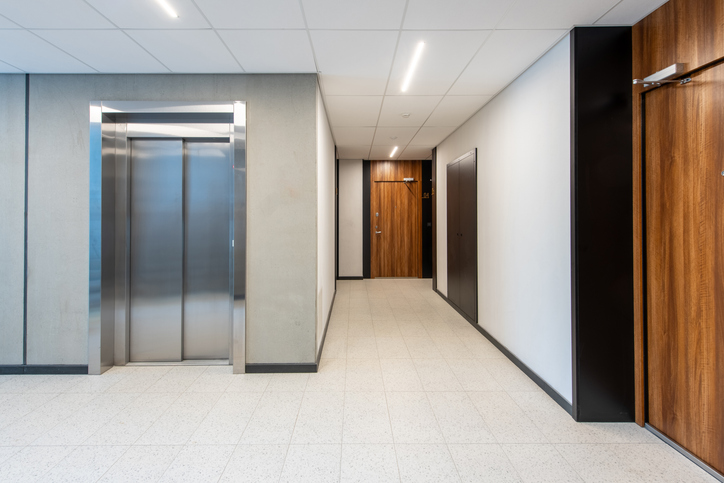
Residents form opinions about a community long before they submit a maintenance request or renew a lease. Those impressions are shaped through small, repeated experiences—walking through hallways,, passing shared spaces, and interacting with the day-to-day operations of the community.
One of the most influential yet overlooked factors in that experience is cleanliness, especially
around waste areas. Dumpster enclosures, valet trash collection points, breezeways, and bulk disposal zones may seem purely operational, but they communicate something much larger to residents. They influence whether a community feels organized, well managed, and cared for—or inconsistent and reactive.
For multifamily operators, understanding the psychology behind clean communities can help
explain why waste management plays such an important role in resident expectations and
operational performance.
Residents Notice More Than Management Realizes
Most residents will never comment when a waste area is clean. But they almost always notice when it is not. Overflowing dumpsters, loose trash bags, cluttered bulk items, or unpleasant odors create an immediate emotional response. Residents may not consciously connect these issues to broader operations, but they often interpret them as signs that management is struggling to stay ahead of problems.
On the other hand, consistently clean waste areas reinforce positive assumptions:
- The community is organized.
- Shared spaces are monitored.
- Standards are maintained.
- Operations are running smoothly.
These signals shape how residents view the overall experience of living in the community.
Cleanliness Builds Trust in Community Operations
In multifamily environments, residents rely heavily on visual cues.
They cannot see operational budgets, staffing schedules, or partner coordination behind the
scenes. Instead, they evaluate management quality based on what they encounter every day.
When waste systems function well, residents are more likely to believe:
- Maintenance requests will be handled efficiently.
- Common areas are being monitored.
- Management pays attention to details.
- The community is professionally operated.
This trust matters because residents’ perceptions affect everything from online reviews to
renewal decisions.
Clutter Changes Resident Behavior
Behavioral psychology shows that disorder often creates more disorder.
When residents see overflowing trash areas or bulk items left unattended, they become more
likely to:
- Leave bags outside designated areas.
- Dispose of items improperly.
- Ignore recycling guidelines.
- Assume standards are loosely enforced.
Once that pattern starts, waste problems tend to escalate quickly.
Clean, orderly spaces encourage the opposite behavior. Residents are more likely to follow
disposal expectations when the environment already appears controlled and maintained.
In other words, clean waste areas help reinforce the behavior communities want to see.
Waste Areas Influence First Impressions
Prospective residents notice waste areas even when they are not part of the formal tour.
A cluttered dumpster enclosure or visible bulk pile can influence how prospects perceive:
- Community upkeep
- Operational quality
- Attention to detail
- Resident standards
This matters because community appearance directly affects leasing momentum and brand
perception.
Cleanliness may not be the feature that closes a lease, but visible operational problems can
absolutely create hesitation.
The Operational Impact Extends Beyond Appearance
The psychology of cleanliness is not only about perception. It also affects daily operations.
Communities dealing with inconsistent waste management often experience:
- Increased resident complaints.
- More maintenance time is spent on cleanup.
- Overflow and contamination issues.
- Greater strain on onsite teams.
- Negative survey feedback tied to cleanliness.
By contrast, communities with well-structured waste systems often benefit from:
- Cleaner shared spaces.
- More predictable operations.
- Reduced maintenance burden.
- Better resident satisfaction.
Waste management becomes part of the operational infrastructure supporting the overall resident experience.
Consistency Matters More Than Perfection
Residents do not expect communities to look flawless every hour of every day. What they do expect is consistency.
A community that stays generally clean and organized sends a message that systems are functioning properly. Residents tend to be far more forgiving of occasional issues when they trust that management maintains consistent standards overall.
This is why reliable waste systems matter so much. Consistency—not occasional cleanup efforts—is what shapes long-term resident perception.
Comprehensive Waste Support Creates Better Outcomes
The most effective communities treat waste management as a coordinated operational system rather than a collection of separate tasks.
Valet trash often serves as the foundation, but stronger results usually come when communities combine:
- Valet trash service
- Bulk waste removal
- Trash-out support
- Overflow monitoring
- Consistent waste area maintenance
When these services work together under a unified strategy, communities are better positioned to maintain cleaner shared spaces and reduce operational friction.
Supporting Cleaner, More Consistent Communities
Maintaining clean waste areas consistently takes more than occasional cleanup efforts. It requires systems, coordination, and operational support that align with the pace and demands of multifamily living.
Many communities are finding that a more comprehensive approach, including valet trash, bulk removal, trash-outs, and ongoing waste area support, helps reduce operational strain while creating a cleaner experience for residents.
For teams evaluating ways to improve consistency across their communities, partnering with an experienced waste partner like Ally Waste can help identify opportunities to streamline operations and better support resident expectations over the long term.
Residents Associate Cleanliness With Quality
At its core, cleanliness influences how residents feel about where they live.
A clean, organized environment creates a stronger sense of comfort, order, and confidence in management. It shapes expectations around service quality and reinforces the idea that the community is actively maintained.
Waste areas may seem like a small operational detail, but for residents, they often represent something much larger: evidence of how the community is run.
The Takeaway
Waste management is not just about removing trash. It is about shaping the daily experience of residents within the community.
Clean, consistent waste systems influence resident expectations, support smoother operations, and reinforce the perception of strong management. Communities that prioritize these systems are often better positioned to maintain resident satisfaction and operational consistency over time.
Because in multifamily operations, the small details residents see every day often shape the biggest impressions.
To learn more about how Ally Waste can assist your community, please reach out to our team at your convenience.