
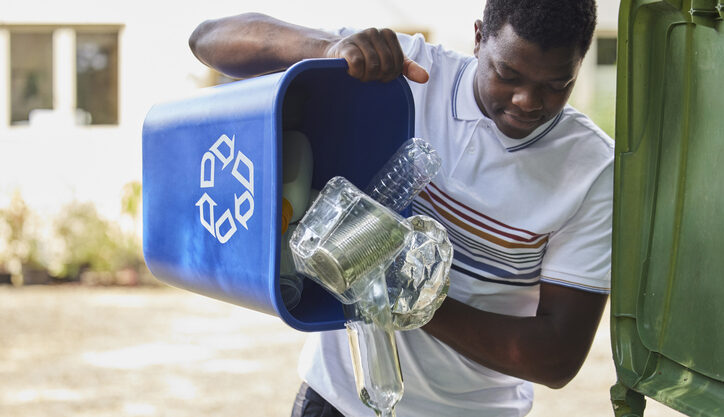
Recycling programs are common across multifamily communities, but participation and consistency are often uneven. Even communities with clearly labeled bins and established recycling systems still deal with contamination, overflowing containers, and confusion about what belongs where.
The issue usually is not a lack of interest. Most residents want to recycle correctly. The challenge is that recycling rules vary by market, disposal habits develop over time, and communication tends to happen only when there is already a problem.
That is why resident recycling awareness campaigns can be so effective when approached strategically. When done well, they help communities improve participation, reduce operational issues, and create cleaner shared spaces without adding unnecessary complexity for on-site teams.
Why Recycling Awareness Matters Operationally
Recycling programs directly affect day-to-day operations in a community.
When contamination increases, communities may face:
- Overflow and missed pickups
- Additional hauling or contamination fees
- More maintenance and cleanup time
- Resident complaints about waste areas
- Increased strain on shared disposal spaces
When recycling improves, the opposite happens. Waste areas stay cleaner, operations become more predictable, and maintenance teams spend less time managing avoidable issues.
Resident education plays a major role in creating that consistency.
Most Recycling Problems Are Communication Problems
In many communities, recycling systems are introduced once during move-in and rarely discussed again.
Over time:
- Residents forget guidelines
- New residents never receive clear instructions
- Local recycling requirements change
- Improper habits spread through shared spaces
Once contamination becomes common, it tends to reinforce itself. Residents assume others are disposing incorrectly, so they stop paying attention as well.
Awareness campaigns interrupt that cycle by resetting expectations and making recycling information visible again.
Focus on Simplicity, Not Volume
One of the biggest mistakes communities make is overwhelming residents with too much information.
The most effective campaigns are simple, visual, and repetitive.
Instead of explaining every possible recycling rule, focus on the items residents most commonly misuse:
- Plastic bags
- Pizza boxes with grease
- Bulk cardboard
- Oversized items
- Food waste in recycling bins
Clear communication around a few high-impact behaviors usually produces better results than lengthy educational materials.
Use Multiple Communication Channels
Residents absorb information differently, so campaigns work best when messaging appears in several places at once.
Effective touchpoints may include:
- Signage in trash rooms and mail areas
- Community emails or newsletters
- Resident portal announcements
- Social media posts
- Flyers during move-ins or renewals
The goal is consistent visibility. When residents encounter the same message repeatedly across different formats, participation improves naturally.
Make Waste Areas Easier to Use
Education only works when the physical system supports it.
If recycling areas are confusing, poorly labeled, or overcrowded, even motivated residents may dispose incorrectly.
Communities can improve participation by:
- Using large, highly visible signage
- Keeping bins clearly separated
- Ensuring disposal areas remain clean and organized
- Providing enough capacity for cardboard and overflow periods
- Pairing recycling programs with consistent bulk removal services
Clean, organized waste areas encourage better resident behavior and reduce contamination over time.
Awareness Campaigns Work Best as Part of a Larger Waste Strategy
Resident education is important, but it works best when paired with strong operational systems.
Communities often see the best results when recycling awareness is combined with:
- Valet trash service
- Routine bulk waste removal
- Trash-out support during move-ins and move-outs
- Consistent monitoring of waste areas
- Clear communication from onsite teams and waste partners
This broader approach creates an environment where proper disposal becomes easier and more consistent for residents.
Small Improvements Create Large Operational Benefits
Even modest improvements in recycling participation can create meaningful operational advantages.
Communities may experience:
- Cleaner disposal areas
- Fewer contamination issues
- Reduced overflow
- Lower maintenance workload
- Better resident perception of community cleanliness
Perhaps most importantly, residents begin to see waste systems as organized and well-managed instead of frustrating or confusing.
That shift in perception supports the overall experience of living in the community.
Keep Campaigns Positive and Practical
The most successful recycling campaigns avoid blame-heavy messaging.
Instead of focusing on penalties or mistakes, effective campaigns frame recycling as a shared operational goal that benefits everyone:
- Cleaner common areas
- Better use of shared spaces
- Fewer overflow issues
- More organized waste systems
Residents respond better when communication feels helpful rather than corrective.
Raise Awareness in Your Community
Resident recycling awareness campaigns are both educational initiatives and operational tools that help communities maintain cleaner waste areas, reduce contamination, and improve consistency across shared spaces.
When paired with strong waste systems and ongoing support from a waste partner, these campaigns can improve both resident participation and day-to-day operations.
Everything doesn’t have to be perfect. Rather, the goal is to create a cleaner, more predictable environment that works better for residents, onsite teams, and the community. The team at Ally Waste welcomes the opportunity to discuss this topic with you. Reach out whenever you’re ready to talk.