
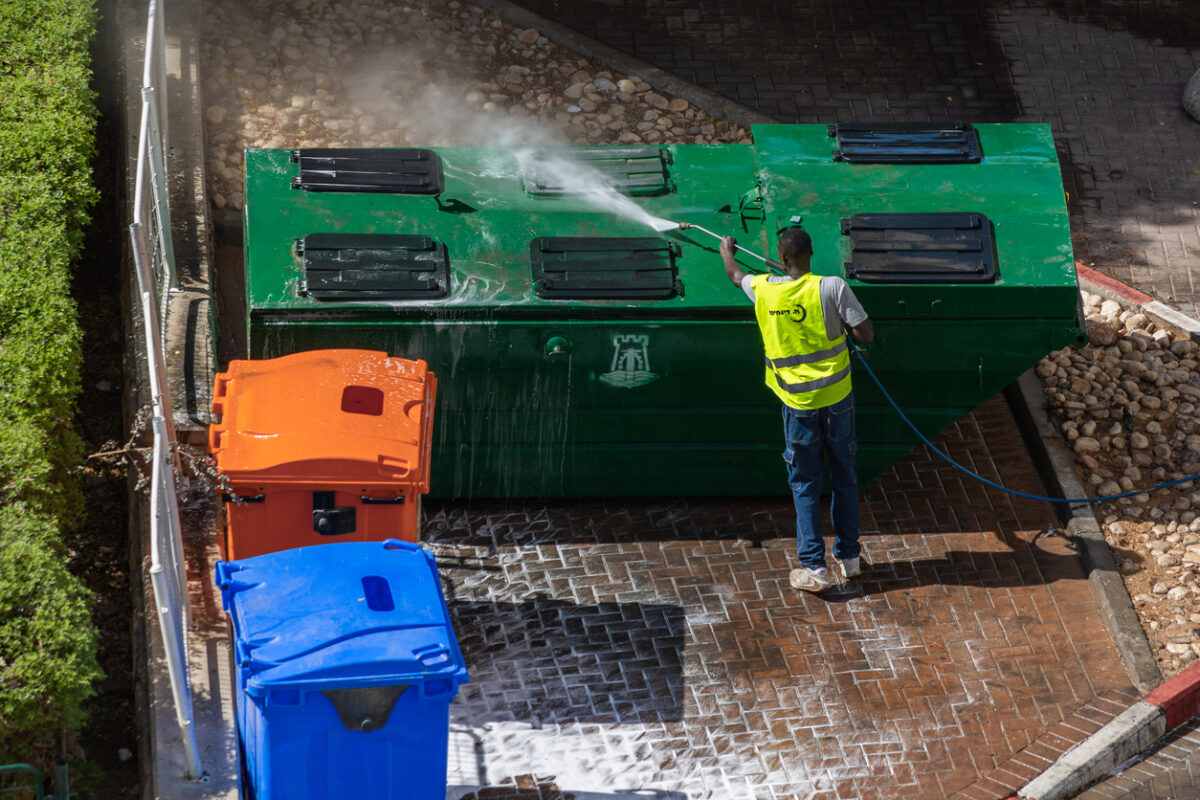
Most multifamily communities don’t plan to handle waste re actively, but many end up in that situation. After a busy weekend, dumpsters overflow. When someone moves out, furniture gets left outside. Maintenance is called to clean up debris before a tour. Another service request is added to an already busy day, and the problem is fixed for now.
Until the next one.
When waste management is just reacting to the same problems over and over, the real cost is more than just the cleanup. It takes up staff time, messes with schedules, affects how residents feel, and hurts the community’s efficiency. Each problem may seem small, yet together they consume time and resources we could use more effectively.
Communities that focus on prevention often find it’s much cheaper to avoid problems than to keep fixing them.
The Cost of Reacting Adds Up Quietly
You rarely see reactive waste management as one clear budget item. Instead, the costs show up in many parts of daily operations.
Maintenance staff stop their planned work to move bulk items left in the wrong spot. Managers handle complaints about overflowing trash. Extra pickups are needed when dumpsters fill up too fast. Leasing teams even change tour routes to avoid messy areas.
None of these situations is unusual on its own. The challenge is that they occur repeatedly.
Over a year, all these interruptions can add up to hundreds of hours that could have gone to maintenance, helping residents, or improving the community. We often hide the cost by blending it into daily work rather than listing it as a separate expense.
Waste Problems Tend to Repeat Themselves
A key sign of reactive management is that the same problems keep coming back.
The city removes a bulk item, only to replace it a few days later. Overflow is addressed during one busy weekend, only to reappear during the next holiday. We clean up recycling contamination without addressing why residents continue to dispose of materials incorrectly.
Communities often spend a lot of time fixing the same problem repeatedly… without changing what causes it.
A preventive strategy focuses on making problems less likely to occur, rather than just reacting when they do.
Prevention Creates Operational Stability
Multifamily communities work best when things are predictable. Community managers benefit when recurring operational challenges become less frequent. Residents appreciate shared spaces that remain consistently clean instead of cycling between periods of order and disorder.
Preventative waste planning helps keep things stable by setting up systems that plan for needs instead of just reacting.
We should verify trash collection occurs often during busy times and prepare for seasonal bulk waste, with disposal areas ready.
Small Improvements Produce Meaningful Results
Preventative strategies don’t always mean big changes. Often, small steps make the biggest difference over time.
Communities can often improve by asking questions like:
- Are the facilities staff servicing waste areas often enough for current occupancy levels?
- Do residents have clear guidance for disposing of bulk items?
- Are move-in and move-out periods creating predictable increases in waste?
- Does the maintenance team spend time on recurring cleanup tasks that better planning could reduce?
Talking about these questions can reveal ways to work more efficiently and reduce extra work and service delays.
Waste Management Works Best as a Coordinated System
Communities often look at waste services one by one. Valet trash solves one problem, bulk removal solves another, and trash-outs help with unit turns.
Viewed separately, each service solves a specific operational challenge.
But when you look at all these services together, they form a comprehensive waste management plan that can prevent problems from disrupting daily work.
When these services are part of one plan, communities can handle changes in occupancy, seasonal needs, and resident habits without putting extra pressure on staff.
A systems-based approach lets waste management support bigger goals, not just react to daily problems.
Prevention Supports the Resident Experience
Residents might not realize how much planning it takes to keep waste areas clean, but they do notice the results.
When a community is well maintained, residents feel confident that management cares and is organized. Clean trash areas, tidy shared spaces, and reliable service all help make daily life better for everyone.
On the other hand, ongoing waste problems can quickly change how people see the community, even if everything else is working well.
Preventative planning makes sure waste management supports residents in the background, instead of becoming a problem everyone notices.
Looking Beyond Today’s Cleanup
Every community will face unexpected waste problems at some point. The goal isn’t to get rid of every issue, but to make them happen less often and cause less trouble when they do.
Communities that review their waste systems regularly can spot problems before they become routine. A good waste partner can help look at current practices, suggest improvements, and build a plan that fits the community’s goals.
By being proactive, communities spend less time dealing with waste problems and more time on work that adds long-term value.
Address the System, Not Just the Symptoms
There will always be times when reactive cleanup is needed in multifamily communities. Surprises happen, and teams need to be able to act fast.
But the bigger opportunity is to stop these situations from becoming regular problems. Communities that engage in waste planning often experience fewer operational interruptions, stronger maintenance efficiency, and cleaner shared spaces over time. Rather than treating waste as a recurring problem to solve, they build systems that support consistent performance.
Changing how you think about waste can make a big difference for both operations and how residents feel about their community.
If you are curious about how Ally Waste can help you develop a comprehensive waste-management strategy, we would welcome the opportunity to speak with you. Reach out to our team at your convenience.